Loading...
Task Tracking
Smart Task Tracking
AI-powered task tracking that keeps your team aligned, accountable, and moving forward. Assign, monitor, and complete tasks with precision.
AI Task Suggestions
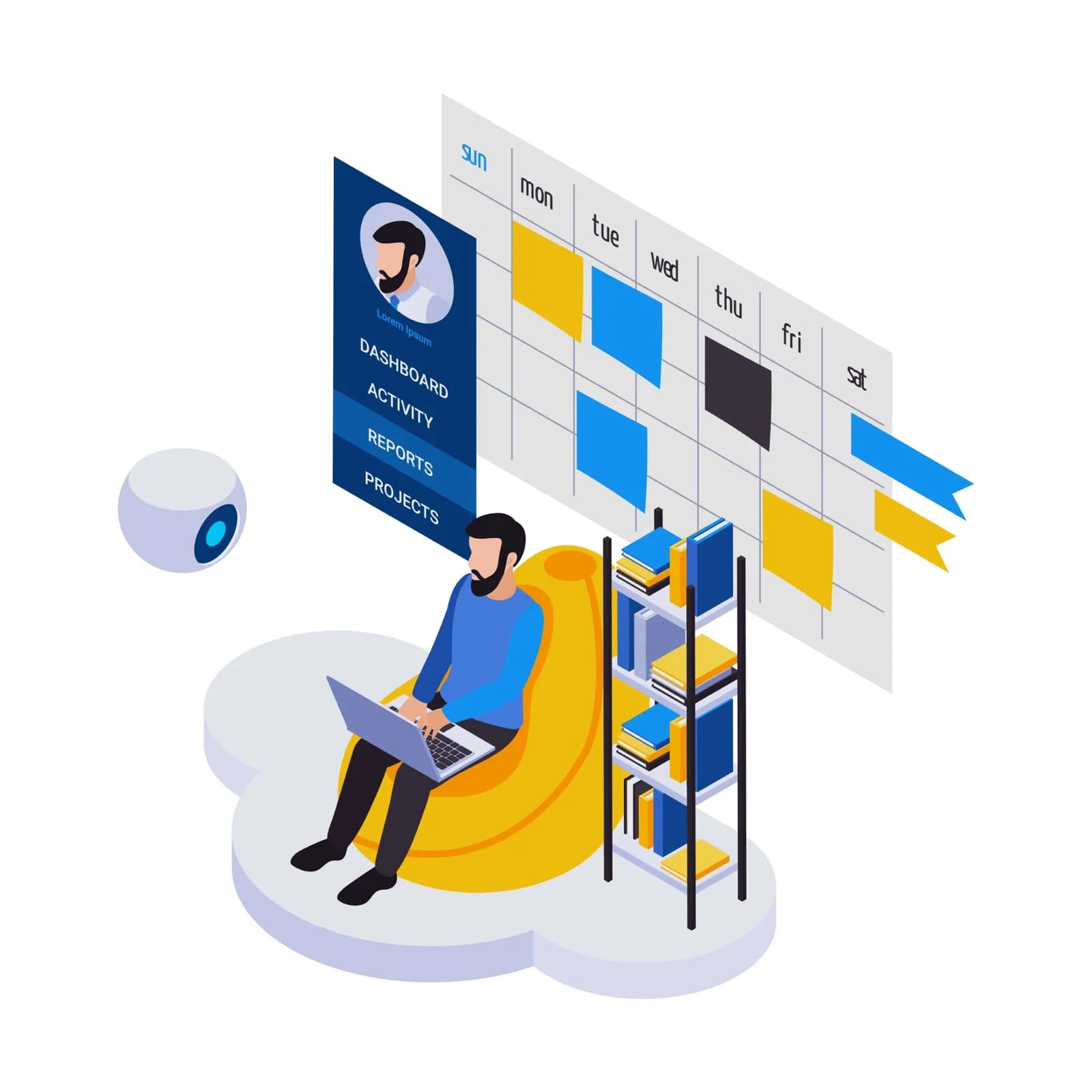
Track Nexus uses AI to recommend the right tasks to the right people at the right time. By analyzing team workload, skills, past performance, and current priorities, the system automatically suggests task assignments that boost efficiency and balance.
AI-Driven Task Timelines
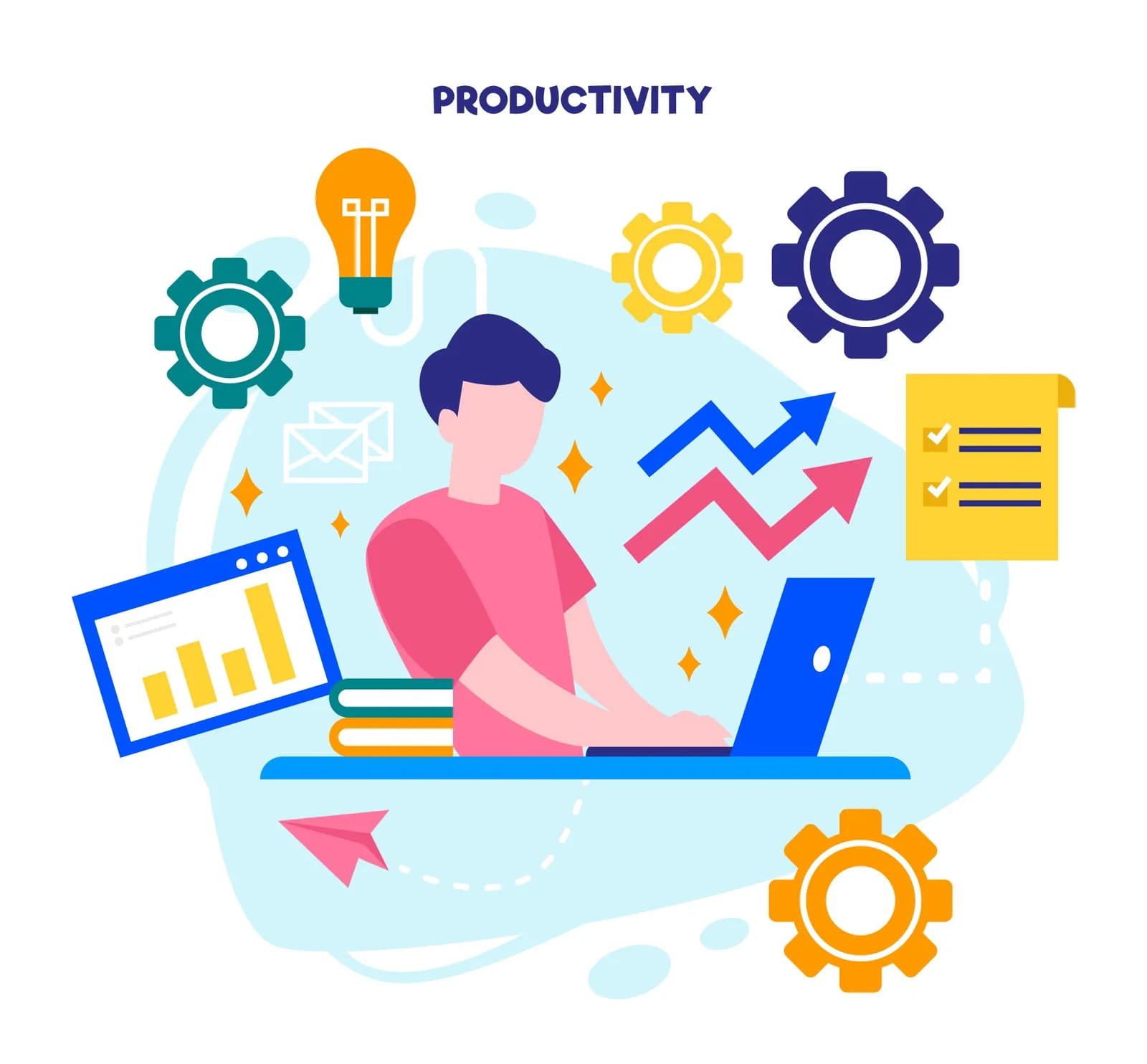
Smart timelines that adapt as your team works. AI continuously monitors task progress, interdependencies, and team capacity to auto-adjust timelines as things change. When delays occur, the system intelligently reschedules affected tasks.

AI-Optimized Collaboration
Enhance teamwork with intelligent task coordination. From assigning tasks to sharing updates and managing deadlines, AI ensures the right people are always in sync. Get smart reminders, real-time suggestions, and automated follow-ups.

AI-Backed Task Time Logs
Accurate time tracking, auto-logged by intelligent systems. From start to completion, every second is captured—no manual entries required. AI identifies active work sessions, pauses, and multitasking patterns for precise records.
Advanced Task Features
AI-enhanced features to simplify tracking and boost efficiency
Task Management
Create, assign, and track tasks with clear accountability and deadlines.
Time per Task
See exactly how much time is spent on each task automatically.
AI Suggestions
Get intelligent recommendations for task assignments and priorities.
Smart Timelines
Adaptive timelines that adjust automatically as work progresses.
Team Coordination
Keep everyone in sync with automated updates and reminders.
Progress Tracking
Monitor task completion rates and team velocity in real-time.
AI
Powered
Auto
Time Logs
Smart
Scheduling
100%
Accuracy
Why Task-Level Tracking Is Harder Than It Looks
Tracking time against a project is straightforward. Tracking it against a *task* is where most implementations quietly break, and the reason is behavioural rather than technical.
Task-level attribution needs to know which of several concurrent pieces of work each minute belongs to. There are only three ways to establish that, and each has a real cost:
- The person tells you — accurate when done consistently, and it decays the moment work gets busy, which is exactly when the data matters most
- The tool infers it — from the file, repository, ticket ID or document in focus. No effort required, and it fails on ambiguous context such as a shared spreadsheet touched by four projects
- A tracker syncs from the system of record — Jira, Asana, Linear. The most reliable approach when the team genuinely lives in that tool, and useless when they do not
Track Nexus uses inference as the default and correction as the exception: activity is attributed automatically from context, and people adjust what the system got wrong rather than logging everything from scratch. This matters because the failure mode of manual task tracking is not inaccuracy — it is abandonment. A system requiring five minutes of daily admin is abandoned in week three, and the data stops before the analysis begins.
The Estimate-Versus-Actual Gap
The single most valuable output of task-level tracking is the comparison between what work was expected to take and what it actually took. Almost every organisation estimates. Very few systematically check.
Once that comparison exists across a few dozen completed tasks, patterns emerge that are impossible to see individually:
- Categories that are consistently under-estimated — integration work and anything involving a third party are the usual offenders, and they are under-estimated by a stable multiple you can calibrate against
- Tasks whose actual cost varies wildly — high variance usually signals an unclear specification rather than an unpredictable task
- Work that never appears in any estimate — support interrupts, rework, meetings about the work. This is often a large share of the delivery week and is entirely absent from the plan
- The gap between nominal capacity and delivery capacity — reliably far smaller than the staffing model assumes
This turns estimation from an argument into a calibration exercise. A team that knows its integration estimates historically run 2.4× can simply apply that multiplier, which is considerably more useful than resolving to estimate better next time.
Task Data and Project Profitability
For anyone billing time, task-level attribution is the difference between knowing a project lost money and knowing why.
Project-level tracking tells you a fixed-price engagement came in over budget. Task-level tracking tells you that revisions consumed three times the allowance while the build came in under — which is a scoping and change-control problem, not a delivery problem, and the fix is in the contract rather than the team.
The metric that makes this concrete is effective hourly rate by task category: fee divided by hours actually attributed. Run it across a portfolio and the pattern is consistent — a minority of task types quietly destroy margin while the headline project rate looks acceptable. Those are the categories to re-price, re-scope or stop offering.
Scope leakage shows up the same way. Work landing on a client nobody is invoicing is invisible at project level and obvious at task level. See project cost tracking for the financial reporting view and time billing for converting attributed time into invoices.
Keeping Task Tracking Alive After Month One
Most task tracking implementations produce excellent data for three weeks and unreliable data thereafter. The decay is predictable and largely preventable.
- Keep the task list short enough to navigate. A structure with four hundred selectable tasks guarantees people pick whatever is nearest the top. Depth is the enemy of accuracy here.
- Default to automatic attribution. Every minute of daily admin you require is a minute of compliance you will eventually lose.
- Make correction trivial. Reassigning a block of time should take one action, not a form.
- Show people their own data first. Task tracking that only produces manager reports feels like surveillance and gets treated accordingly. The person doing the work should get the first useful view of it.
- Never use task time as an individual performance measure. The moment it affects standing, the numbers start being managed rather than recorded, and the dataset becomes worthless for the planning it was bought for.
The broader principle — use tracking data to change systems rather than to rate people — is covered in our guide to productivity trackers. For teams whose work already lives in a ticketing system, Jira time tracking integration avoids duplicate entry entirely, and project management covers the planning side.
FAQ
Frequently Asked Questions
Ready for smarter task tracking?
Assign, track, and complete tasks effortlessly — start your free 14-day trial.