AI-Powered Productivity Insights: The Future of Team Analytics
Track Nexus Editorial Team
Workforce Productivity Experts

AI-powered workforce insights go beyond dashboards and reports to automatically surface patterns, predict risks, and recommend actions that human analysts would take hours or days to identify. Machine learning models trained on work data can detect burnout indicators four weeks before they manifest as disengagement, predict project timeline slippage based on early velocity data, and identify process bottlenecks across teams.
Predictive Analytics for Proactive Management
Traditional analytics tell you what happened yesterday. AI-powered predictive analytics tell you what's likely to happen next week—giving managers time to intervene before problems escalate. This shift from reactive to proactive management is transforming how organizations operate.
AI systems predict productivity issues before they happen:
- Burnout risk identification—by analyzing work hour patterns, overtime trends, and declining engagement signals, AI can flag at-risk employees weeks before visible performance drops
- Project overrun predictions—machine learning models trained on historical project data can predict budget and timeline overruns with 80%+ accuracy when only 30% of the project is complete
- Team bottleneck detection—AI identifies when specific team members or processes become constraints, recommending redistribution before delivery timelines are affected
- Resource allocation optimization—predictive models simulate different staffing scenarios and recommend optimal team compositions for upcoming projects
- Workflow improvement recommendations—pattern analysis across thousands of work sessions reveals inefficiencies that human observers would never notice
For example, Track Nexus AI might detect that a developer's commit frequency has dropped 40% over two weeks while their meeting hours increased 60%—a pattern that historically precedes missed sprint deadlines. The system alerts the team lead, who discovers the developer is stuck on a complex architecture decision and needs a quick design review, not more meetings.
AI Pattern Recognition in Work Data
The human brain is exceptional at recognizing patterns in small datasets, but organizations generate millions of data points about work patterns every month. Machine learning excels where human analysis falls short—finding subtle correlations across massive datasets that would take analysts months to discover.
Machine learning finds patterns in productivity data that humans miss:
- Identify high-performance teams and replicate their practices—AI analyzes what top-performing teams do differently (meeting cadence, communication patterns, focus time ratios) and recommends these practices to other teams
- Recognize individual productivity patterns and preferences—some people are most productive in morning focus blocks, others in afternoon collaborative sessions. AI personalizes recommendations for each person
- Detect context-switching problems—the system identifies when employees frequently switch between unrelated projects, quantifying the productivity cost (typically 20-40% lost efficiency)
- Find inefficient workflows automatically—by comparing how different teams accomplish similar tasks, AI identifies process improvements that save hours weekly
- Uncover hidden blockers affecting productivity—sometimes a single approval bottleneck or unclear process step silently drains team productivity for months before anyone notices
These insights compound over time as the AI learns your organization's unique patterns. After 3-6 months of data collection, predictions become increasingly accurate and recommendations increasingly relevant to your specific context.
Automated Recommendations and Optimization
The most powerful aspect of AI-powered productivity analytics isn't just identifying problems—it's automatically generating specific, actionable recommendations that managers and employees can implement immediately. Unlike generic productivity advice, these recommendations are tailored to your organization's actual data.
AI systems provide actionable recommendations:
- Schedule optimization for deep work—the system analyzes when each team member does their best focused work and suggests calendar restructuring to protect those hours from meetings
- Meeting frequency adjustments—AI identifies recurring meetings with declining attendance or engagement and recommends consolidation or cancellation, potentially recovering 5-10 hours per person weekly
- Tool and process improvements—by tracking time spent in different applications, AI recommends workflow automations and tool consolidations that reduce administrative overhead
- Resource reallocation suggestions—when projects are under-resourced while other teams have excess capacity, AI recommends specific staffing changes with projected impact estimates
- Personalized productivity tips for individuals—rather than one-size-fits-all advice, each employee receives specific suggestions based on their unique work patterns and goals
Track Nexus delivers these recommendations through an intelligent dashboard that prioritizes suggestions by potential impact. A typical organization implementing AI-powered recommendations sees 15-25% productivity improvement within the first quarter, with gains compounding as the system learns and recommendations become more precise.
Track Nexus AI Features in Action
Track Nexus harnesses artificial intelligence for next-level productivity insights:
- AI Productivity Scoring: Machine learning generates personalized scores from work patterns
- Smart Recommendations: AI suggests workflow optimizations for your team's unique patterns
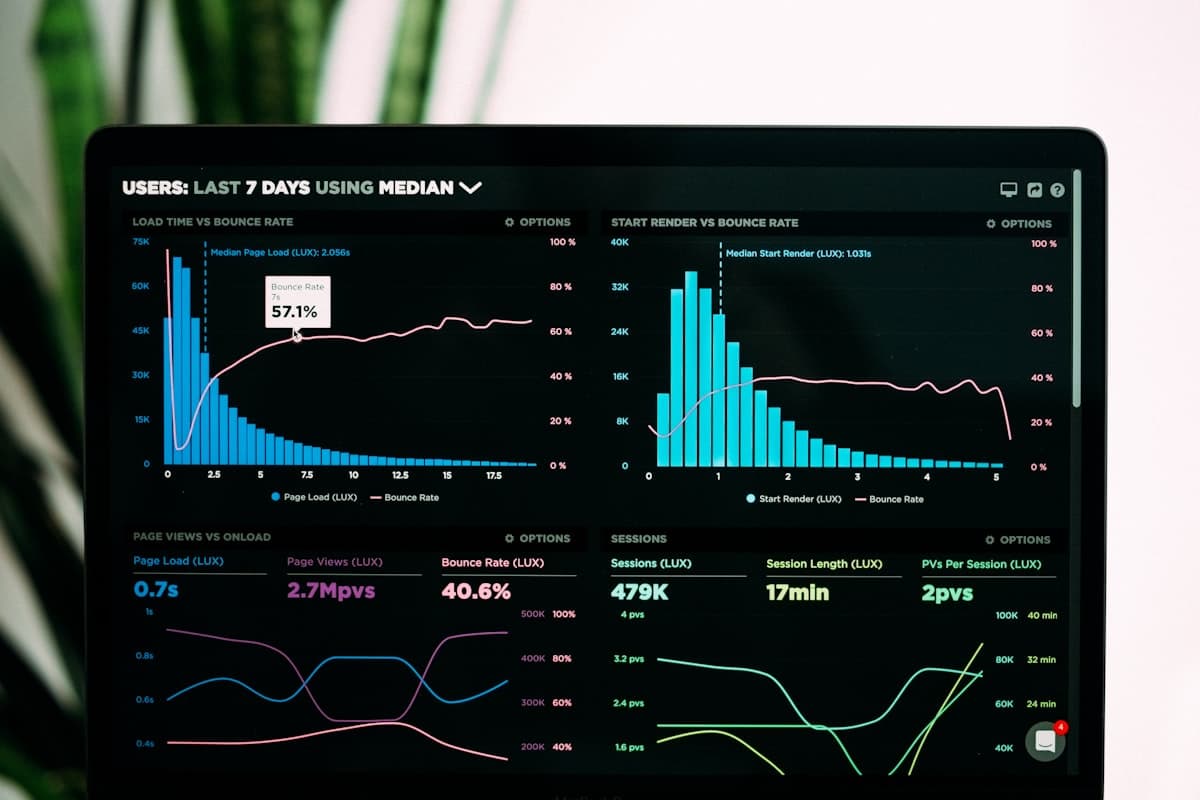
- Predictive Analytics: AI forecasts trends and flags bottlenecks before they impact deadlines
- Automated Focus Detection: AI identifies deep work blocks and protects them from interruptions
- Intelligent Workload Balancing: AI recommends task redistribution for balanced utilization
- Pattern Recognition: AI surfaces hidden productivity patterns across teams and projects
Want to See It in Action?
Explore how Track Nexus's AI-powered features can transform your team's productivity with a live demo.
Use Cases & Applications
Discover how organizations use this solution to improve their operations
Enterprise Companies
Scale intelligent management across thousands of employees
Tech Companies
Optimize development processes with AI insights
Consulting Firms
Predict project profitability and resource needs
Financial Services
Detect compliance risks and performance anomalies
Frequently Asked Questions
Common questions about ai-powered productivity insights
Is AI really better than human analysis?
How does AI maintain privacy?
Can AI replace managers?
How accurate are AI predictions?
Explore More Insights
Continue learning with these related articles
Productivity Tracker: How They Work, What They Measure, and How to Choose One
A productivity tracker is software that records how work time is actually spent — across applications, documents, projects and locations — and turns that record into something a manager can act on. That is the easy part to explain. The hard part, and the reason so many rollouts fail, is that 'productivity' is not a single number the software can read off a sensor. It is an inference built on top of raw activity data, and the quality of that inference depends entirely on what the tool measures and what you ask it to mean. This guide covers what these tools genuinely capture, the arithmetic behind the dashboards, where the measurements break down, and how to evaluate a tracker for a real team. It is written for the person who has to choose one and then defend that choice to both a finance director and the people being tracked.

Employee Monitoring Software: Ethical Oversight for Modern Teams
Employee monitoring software has evolved from simple keystroke loggers into comprehensive workforce analytics platforms. The global market reached $1.6 billion in 2025, driven by the permanent shift to hybrid work and the need for accountability without micromanagement. The best employee monitoring software balances organizational visibility with employee privacy, providing insights that help both managers and team members perform better.

Best Employee Monitoring Software in 2026: An Honest Comparison
Choosing the right employee monitoring software can feel overwhelming. There are dozens of options, each claiming to be the best, and the stakes are high: pick the wrong tool and you risk damaging employee trust, wasting budget, or getting incomplete data that leads to bad decisions. The market has matured significantly since 2024, with privacy-first design and AI-driven insights becoming table stakes rather than differentiators. We spent three months testing eight of the most popular employee monitoring platforms across real teams of 15 to 200 people. Our evaluation covered installation friction, data accuracy, reporting depth, privacy controls, and the often-overlooked factor of employee sentiment. Every tool was scored on the same rubric, and we asked both managers and employees for candid feedback. This guide lays out what we found, including where each tool excels and where it falls short. Whether you manage a fully remote startup or a hybrid enterprise, you will walk away with a clear picture of which solution fits your workflow, budget, and culture.

Timesheet Software: The Complete Buyer's Guide for 2026
Timesheet software has evolved far beyond the digital equivalent of a paper punch card. Today's platforms combine automatic time capture, project cost allocation, payroll integration, and workforce analytics into a single system that serves finance, HR, and operations simultaneously. Yet many organizations still rely on spreadsheets, email-based approvals, or legacy systems that create more work than they save. The cost of getting timesheets wrong is tangible. The American Payroll Association estimates that manual timesheet errors affect 1.2 to 8 percent of gross payroll, and professional services firms report that poor time capture leads to 10 to 15 percent revenue leakage on billable projects. Multiply those numbers across a year and the business case for modern timesheet software writes itself. This guide walks you through every decision point: what features actually matter, how to evaluate vendors, what implementation looks like in practice, and how to drive adoption so the software delivers on its promise. Whether you are replacing spreadsheets for a 20-person agency or modernizing timesheets for a 2,000-person enterprise, the framework here applies.
Ready to Transform Your Productivity?
Join thousands of teams using Track Nexus to optimize their workforce productivity. Schedule a personalized demo today.