Employee Wellness and Productivity: A Holistic Approach
Track Nexus Editorial Team
Workforce Productivity Experts
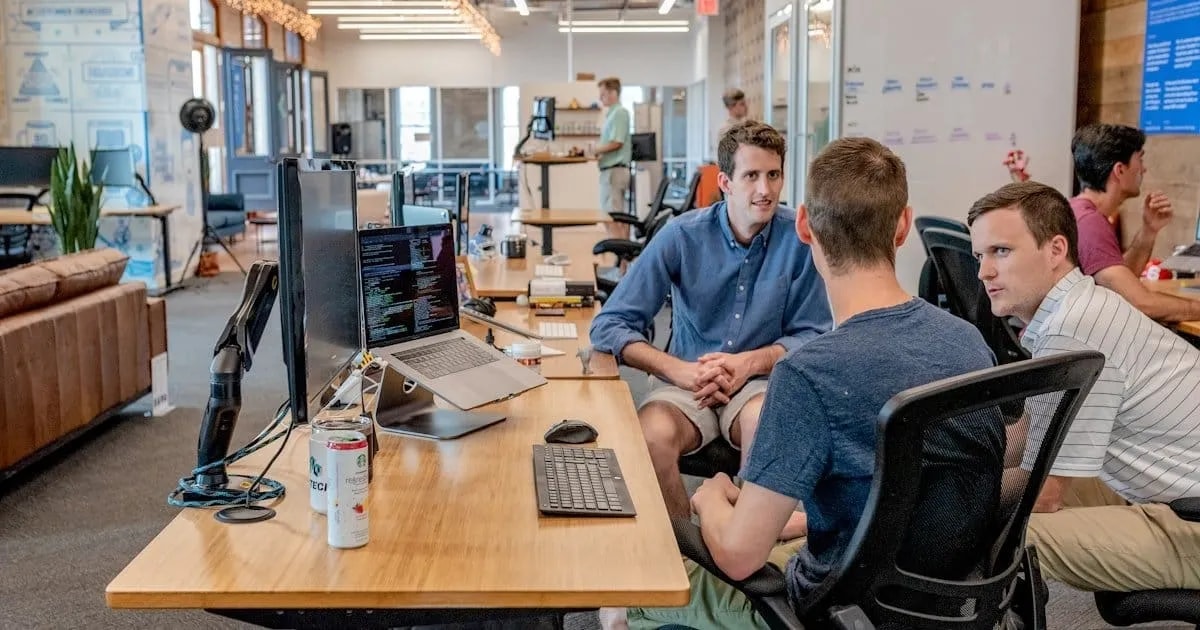
Employee wellness directly impacts productivity. Organizations that monitor and support wellness see improvements in engagement, retention, and performance. Learn to balance productivity tracking with genuine care for employee wellbeing.
The Wellness-Productivity Connection
The relationship between employee wellness and productivity is not merely correlational—it's causal. Decades of occupational health research demonstrate that investing in employee wellbeing directly drives measurable business outcomes. Organizations that treat wellness as a strategic priority consistently outperform those that don't.
Research shows compelling connections between wellness and performance:
- Healthy employees are 27% more productive according to a Brigham Young University study, with the most significant gains in creative problem-solving and strategic thinking tasks
- Chronic stress reduces productivity by 30-40% while simultaneously increasing error rates—stressed employees make more mistakes that require costly rework
- Regular breaks increase focus and output—the human brain operates in 90-minute ultradian cycles, and respecting these natural rhythms through structured breaks prevents cognitive fatigue
- Exercise improves cognitive performance by 15-20%—even a 20-minute walk during lunch increases afternoon productivity, memory retention, and creative thinking
- Sleep quality directly affects next-day performance—employees sleeping fewer than 6 hours show cognitive impairment equivalent to being legally intoxicated, affecting decision quality and reaction time
- Mental health support reduces absenteeism by 41% and presenteeism (being at work but unproductive) by even more—programs like Employee Assistance Programs (EAPs), therapy stipends, and mental health days deliver substantial ROI
The business case is clear: every dollar invested in comprehensive employee wellness programs returns $3-6 in reduced healthcare costs, decreased absenteeism, and improved productivity. Organizations like Google, Salesforce, and Johnson & Johnson have built industry-leading wellness programs precisely because the data shows it's one of the highest-ROI investments available.
Monitoring Wellness Holistically
Effective wellness monitoring goes beyond annual surveys and gym memberships. Modern organizations use continuous, non-invasive data to identify wellness risks early and intervene before small issues become serious problems. The goal is creating a system that supports employees proactively rather than reacting to crises.
Track wellness indicators alongside productivity metrics:
- Work schedule and overtime patterns—Track Nexus identifies when employees consistently work beyond normal hours, signaling potential overload before it leads to burnout. A gradual increase in weekly hours over several weeks is a reliable early warning sign
- Break frequency and duration—employees who skip breaks or take shorter breaks over time may be under increasing pressure. Monitoring break patterns helps managers identify teams that need workload redistribution
- Meeting load and calendar fragmentation—excessive meetings are one of the leading causes of workplace stress. Track the ratio of meeting time to focus time and intervene when it exceeds healthy thresholds (typically 40% meeting time maximum)
- Time zone misalignment for remote workers—distributed team members who regularly attend meetings outside their normal hours experience disrupted sleep patterns and increased stress
- Communication patterns (off-hours messages)—tracking when emails and messages are sent reveals cultural expectations around availability. Organizations where leaders frequently send late-night messages create implicit pressure for everyone to be always-on
- Employee surveys and feedback—regular pulse surveys (monthly or quarterly) provide subjective wellness data that complements objective behavioral data
- Engagement and sentiment tracking—tools that analyze communication patterns for sentiment trends can detect team morale shifts before they appear in formal surveys
Taking Supportive Action
Data without action is useless. The real value of wellness monitoring comes from taking specific, timely actions that make a genuine difference in employees' lives. The most effective organizations build automated triggers that prompt manager intervention when wellness indicators reach concerning thresholds.
Use wellness data to support employees with concrete actions:
- Identify overwork patterns and redistribute workload—when Track Nexus shows a team member consistently working 50+ hour weeks, managers should proactively redistribute tasks rather than waiting for the employee to complain or burn out
- Encourage time off and recovery—some organizations have implemented mandatory minimum vacation policies because data showed that employees who don't take regular breaks have 25% higher turnover rates
- Provide flexible work arrangements—wellness data often reveals that rigid schedules don't match employees' natural productivity rhythms. Allowing flexibility in work hours can improve both wellness and output simultaneously
- Offer mental health resources proactively—don't wait for employees to seek help. Normalize mental health discussions, provide therapy stipends, and make Employee Assistance Programs easily accessible
- Create sustainable team cultures through leadership modeling—when managers visibly take breaks, use vacation days, and maintain boundaries, their teams feel permission to do the same
- Celebrate work-life balance publicly—recognize employees who achieve great results while maintaining healthy boundaries, not just those who work the most hours
- Remove unnecessary meetings and busywork—regularly audit team workflows for activities that consume time without adding value. Meeting audits alone can recover 5-10 hours per person weekly
Track Nexus provides managers with automated wellness alerts when team members show patterns associated with burnout risk, enabling intervention weeks before performance or health impacts become visible.
AI-Powered Monitoring Intelligence
Track Nexus uses AI to make monitoring smarter and more ethical:
- AI Activity Classification: Machine learning categorizes activities with contextual understanding
- Smart Privacy Protection: AI automatically filters personal activities to respect boundaries
- Behavioral Insights: AI identifies work patterns and suggests improvements without micromanaging
- Anomaly Alerts: AI detects unusual patterns indicating disengagement or burnout early
- Automated Compliance: AI ensures practices comply with GDPR, CCPA, and regional regulations
- Intelligent Reporting: AI generates executive summaries with key trends and actionable recommendations
Want to See It in Action?
Explore how Track Nexus's AI-powered features can transform your team's productivity with a live demo.
Use Cases & Applications
Discover how organizations use this solution to improve their operations
Tech Companies
Combat startup culture burnout with sustainable practices
Healthcare Organizations
Prevent provider burnout and improve patient care
Financial Services
Maintain quality in high-stress trading and operations
Legal Firms
Improve attorney wellness and reduce turnover
Frequently Asked Questions
Common questions about employee wellness and productivity
Isn't wellness tracking invasive?
What's the ROI of wellness programs?
How do I measure wellness impact?
Can productivity data inform wellness?
Explore More Insights
Continue learning with these related articles

Sustainable Team Productivity: Building Habits That Last
Sustainable team productivity is the practice of maintaining high output over months and years without burning out your workforce. Short-term productivity spikes driven by crunch time and overtime are easy to achieve but come at the cost of turnover, disengagement, and declining quality. The organizations that win long-term are those that design systems and rhythms that keep teams performing at 85-90% capacity consistently.
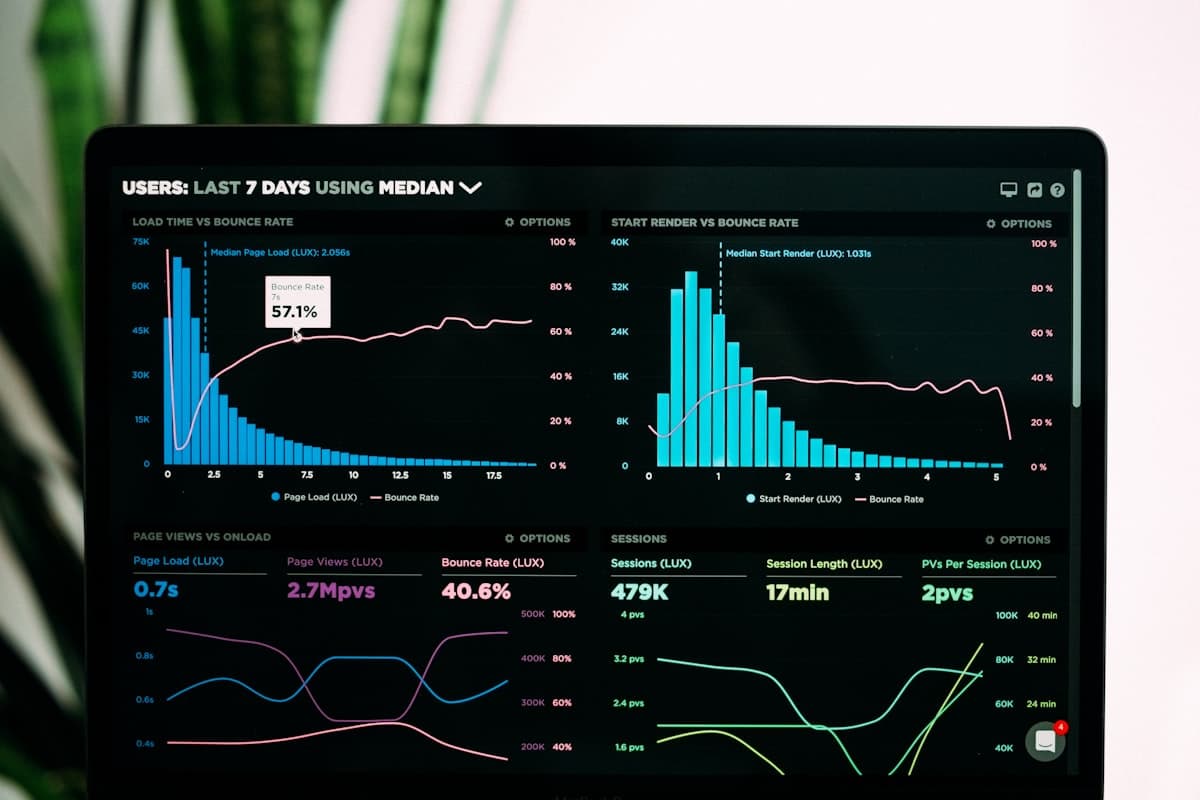
Productivity Tracker: How They Work, What They Measure, and How to Choose One
A productivity tracker is software that records how work time is actually spent — across applications, documents, projects and locations — and turns that record into something a manager can act on. That is the easy part to explain. The hard part, and the reason so many rollouts fail, is that 'productivity' is not a single number the software can read off a sensor. It is an inference built on top of raw activity data, and the quality of that inference depends entirely on what the tool measures and what you ask it to mean. This guide covers what these tools genuinely capture, the arithmetic behind the dashboards, where the measurements break down, and how to evaluate a tracker for a real team. It is written for the person who has to choose one and then defend that choice to both a finance director and the people being tracked.

Employee Monitoring Software: Ethical Oversight for Modern Teams
Employee monitoring software has evolved from simple keystroke loggers into comprehensive workforce analytics platforms. The global market reached $1.6 billion in 2025, driven by the permanent shift to hybrid work and the need for accountability without micromanagement. The best employee monitoring software balances organizational visibility with employee privacy, providing insights that help both managers and team members perform better.

Best Employee Monitoring Software in 2026: An Honest Comparison
Choosing the right employee monitoring software can feel overwhelming. There are dozens of options, each claiming to be the best, and the stakes are high: pick the wrong tool and you risk damaging employee trust, wasting budget, or getting incomplete data that leads to bad decisions. The market has matured significantly since 2024, with privacy-first design and AI-driven insights becoming table stakes rather than differentiators. We spent three months testing eight of the most popular employee monitoring platforms across real teams of 15 to 200 people. Our evaluation covered installation friction, data accuracy, reporting depth, privacy controls, and the often-overlooked factor of employee sentiment. Every tool was scored on the same rubric, and we asked both managers and employees for candid feedback. This guide lays out what we found, including where each tool excels and where it falls short. Whether you manage a fully remote startup or a hybrid enterprise, you will walk away with a clear picture of which solution fits your workflow, budget, and culture.
Ready to Transform Your Productivity?
Join thousands of teams using Track Nexus to optimize their workforce productivity. Schedule a personalized demo today.