Skills Development: Using Productivity Data for Talent Growth
Track Nexus Editorial Team
Workforce Productivity Experts

Productivity data reveals skill gaps and development opportunities. Use time tracking to identify where employees are struggling and design targeted development programs that improve both skills and performance.
Identifying Skill Gaps Through Data
Traditional skill gap analysis relies on annual reviews and self-assessment—both notoriously inaccurate. Productivity data provides objective, continuous indicators of where employees excel and where they need support. This data-driven approach removes guesswork from development planning and ensures resources are invested where they'll have the greatest impact.
Recognize development opportunities through data analysis:
- Time spent on difficult tasks indicates struggle areas—when an employee consistently takes 3x longer than peers on similar tasks, it's not a performance problem—it's a skill development opportunity that targeted training can address
- Comparing performers reveals skill differences—analyzing how top performers approach similar work differently (tool usage patterns, workflow sequences, time allocation) reveals specific practices that can be taught to others
- Training completion vs. performance correlation—tracking whether formal training actually improves on-the-job performance helps organizations invest in effective training programs and discontinue ineffective ones
- Peer feedback and 360-degree skill assessments—combining objective productivity data with subjective peer evaluation creates a comprehensive picture that neither data source provides alone
- Project outcomes and lessons learned—post-project analysis reveals which skills contributed most to success and which gaps caused problems, informing future development priorities
- Individual development conversations informed by data—when managers can show specific data during development discussions, conversations become more productive and actionable than abstract 'you should improve your communication skills' feedback
Designing Development Programs
The most effective development programs combine formal training with on-the-job experience. Research from the Center for Creative Leadership shows the optimal development mix is 70% challenging experiences, 20% developmental relationships (mentoring/coaching), and 10% formal coursework. Organizations that follow this model develop talent faster and more effectively than those relying primarily on classroom training.
Create effective development programs with these principles:
- Identify high-impact skill gaps using data—prioritize skills that both the employee and the organization need. A developer who wants to learn system architecture and whose team needs an architect is the highest-ROI development investment
- Design training aligned with career goals—development that connects to an employee's career aspirations generates 3-5x more engagement and retention than mandatory training with no clear career benefit
- Create structured mentoring relationships—pair junior team members with experienced practitioners who can provide context, guidance, and feedback. Formalize the relationship with regular meeting cadences and development objectives
- Provide hands-on practice opportunities—assign stretch projects that require employees to use developing skills in real work contexts. The learning is deeper and more lasting than any course
- Support with appropriate tools and resources—provide learning platform access (Udemy, Coursera, Pluralsight), conference budgets, book stipends, and protected learning time (10-20% of work hours)
- Track progress and celebrate improvement visibly—use productivity data to demonstrate skill growth over time. When employees can see their proficiency improving through objective metrics, motivation increases significantly
Building Career Paths
Career path clarity is the single strongest predictor of employee retention, according to LinkedIn's Workplace Learning Report. Employees who can see a clear path from their current role to their desired future role stay 2.5x longer than those who can't. Investing in career path infrastructure pays for itself many times over through reduced turnover costs.
Support long-term growth with structured career paths:
- Clear career progression frameworks—define explicit levels (Junior, Mid, Senior, Staff, Principal) with specific competencies, responsibilities, and expectations at each level. Eliminate ambiguity about what advancement looks like
- Skills required for each level clearly documented—create skill matrices that map required competencies to career levels. This gives employees a clear roadmap for self-directed development and removes subjectivity from promotion decisions
- Development milestones and realistic timelines—set expectations about typical progression timelines while acknowledging that individuals advance at different rates based on opportunity, effort, and aptitude
- Mentoring and coaching programs at every level—senior practitioners mentor mid-level employees, who in turn mentor juniors. This creates a development culture that scales with the organization
- Learning opportunities and education support—tuition reimbursement, certification funding, conference attendance, and learning sabbaticals demonstrate organizational commitment to employee growth
- Deliberate opportunities to practice new skills—cross-functional projects, rotation programs, and stretch assignments provide the practical experience needed to advance. Track Nexus data helps identify which experiences correlate most strongly with successful skill development
AI-Powered Skills Intelligence
Track Nexus uses AI to accelerate talent development:
- AI Skill Gap Detection: Machine learning analyzes work patterns to identify skill gaps and growth areas automatically
- Smart Learning Recommendations: AI suggests targeted training based on individual development needs
- Performance Trajectory Prediction: AI forecasts employee growth based on current learning velocity
- Automated Competency Mapping: AI maps team competencies against project requirements
- Intelligent Mentoring Matches: AI pairs employees with mentors based on complementary skills
- Development ROI Tracking: AI measures the impact of training investments on productivity outcomes
Want to See It in Action?
Explore how Track Nexus's AI-powered features can transform your team's productivity with a live demo.
Use Cases & Applications
Discover how organizations use this solution to improve their operations
Tech Companies
Develop engineering talent in fast-moving technologies
Professional Services
Build expertise to serve clients better
Financial Services
Develop compliance and technical expertise
Healthcare
Continuing education and credential development
Frequently Asked Questions
Common questions about skills development
How does productivity data inform development?
Won't development slow short-term productivity?
How do we balance development with current work?
How do we measure development success?
Explore More Insights
Continue learning with these related articles
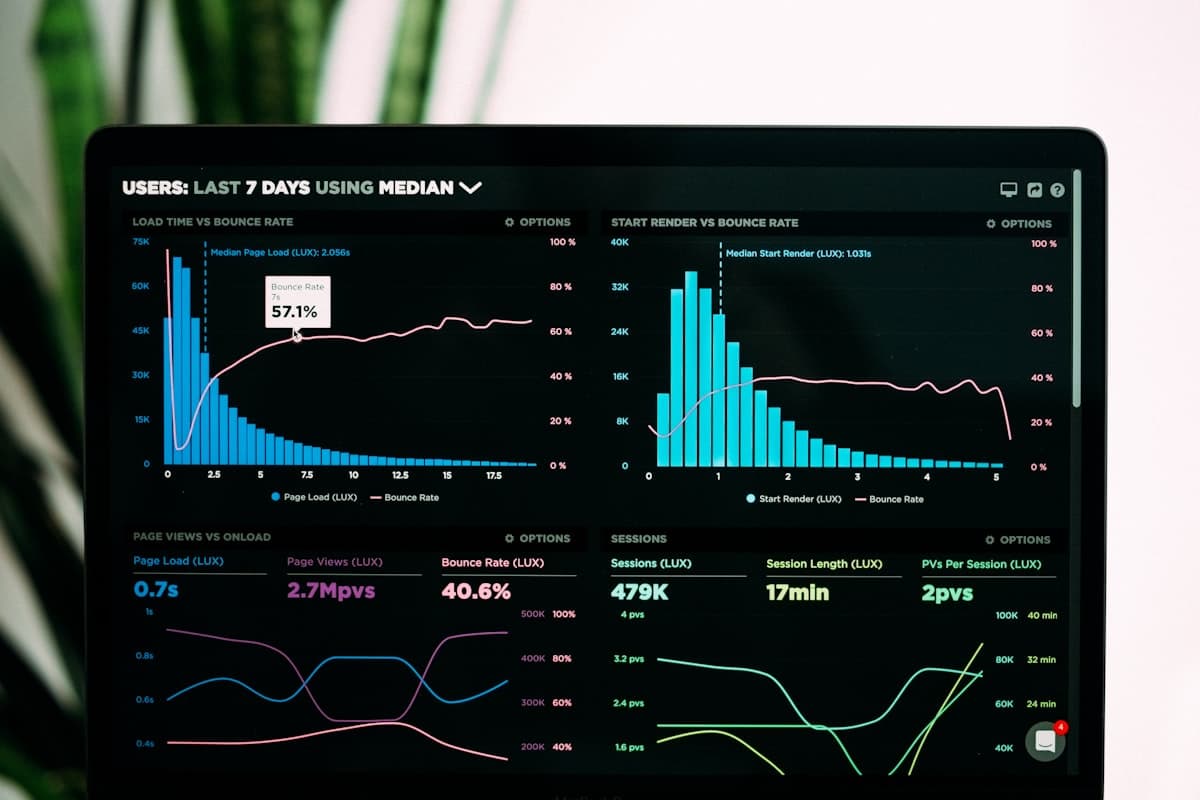
Productivity Tracker: How They Work, What They Measure, and How to Choose One
A productivity tracker is software that records how work time is actually spent — across applications, documents, projects and locations — and turns that record into something a manager can act on. That is the easy part to explain. The hard part, and the reason so many rollouts fail, is that 'productivity' is not a single number the software can read off a sensor. It is an inference built on top of raw activity data, and the quality of that inference depends entirely on what the tool measures and what you ask it to mean. This guide covers what these tools genuinely capture, the arithmetic behind the dashboards, where the measurements break down, and how to evaluate a tracker for a real team. It is written for the person who has to choose one and then defend that choice to both a finance director and the people being tracked.

Sustainable Team Productivity: Building Habits That Last
Sustainable team productivity is the practice of maintaining high output over months and years without burning out your workforce. Short-term productivity spikes driven by crunch time and overtime are easy to achieve but come at the cost of turnover, disengagement, and declining quality. The organizations that win long-term are those that design systems and rhythms that keep teams performing at 85-90% capacity consistently.

Employee Monitoring Software: Ethical Oversight for Modern Teams
Employee monitoring software has evolved from simple keystroke loggers into comprehensive workforce analytics platforms. The global market reached $1.6 billion in 2025, driven by the permanent shift to hybrid work and the need for accountability without micromanagement. The best employee monitoring software balances organizational visibility with employee privacy, providing insights that help both managers and team members perform better.

Best Employee Monitoring Software in 2026: An Honest Comparison
Choosing the right employee monitoring software can feel overwhelming. There are dozens of options, each claiming to be the best, and the stakes are high: pick the wrong tool and you risk damaging employee trust, wasting budget, or getting incomplete data that leads to bad decisions. The market has matured significantly since 2024, with privacy-first design and AI-driven insights becoming table stakes rather than differentiators. We spent three months testing eight of the most popular employee monitoring platforms across real teams of 15 to 200 people. Our evaluation covered installation friction, data accuracy, reporting depth, privacy controls, and the often-overlooked factor of employee sentiment. Every tool was scored on the same rubric, and we asked both managers and employees for candid feedback. This guide lays out what we found, including where each tool excels and where it falls short. Whether you manage a fully remote startup or a hybrid enterprise, you will walk away with a clear picture of which solution fits your workflow, budget, and culture.
Ready to Transform Your Productivity?
Join thousands of teams using Track Nexus to optimize their workforce productivity. Schedule a personalized demo today.